Research

Our research seeks to find better ways to detect, treat, and ultimately eliminate leprosy, as well as to address its complications. Conducted in our world-class laboratories and alongside affected communities, our research projects focus on improving diagnosis, understanding disease, developing better treatments, and supporting inclusion. TLMGB invests in transmission and diagnostics research and partners with researchers who work in this area. Our Goal is to produce new knowledge and develop new tools and approaches that are effective in helping end leprosy transmission, leprosy related disability and discrimination.

Priorities Our Research Priorities
+
Understanding transmission and ensuring prevention,early detection and treatment

Understanding transmission and ensuring prevention,early detection and treatment

Our efforts aim to understand transmission and develop better diagnostic techniques to detect and prevent the disease.

Learn More
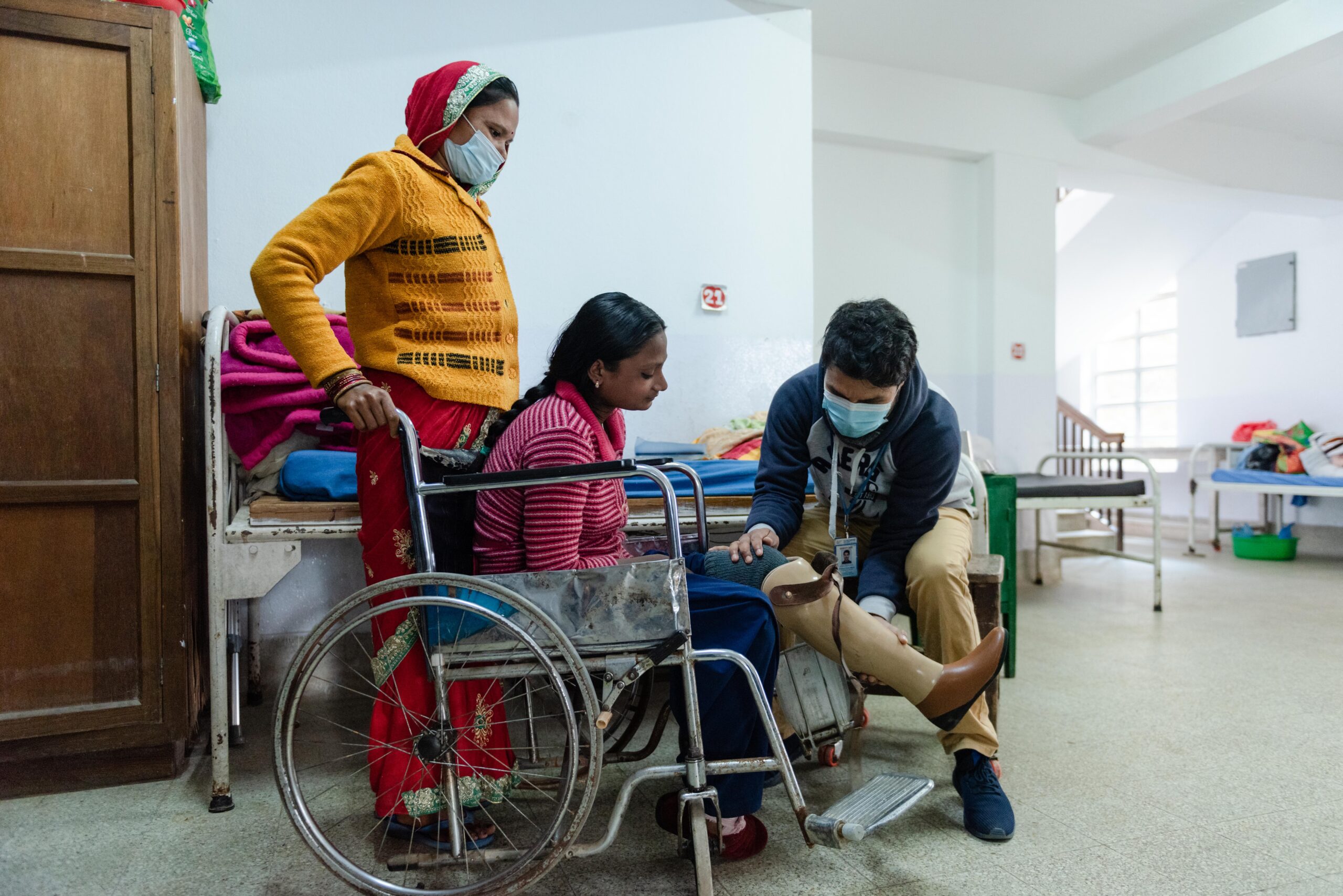
Effective management of leprosy complications & prevention of further impairment

Effective management of leprosy complications & prevention of further impairment

Research into improving treatments and quality of life for those affected by leprosy.

Learn More
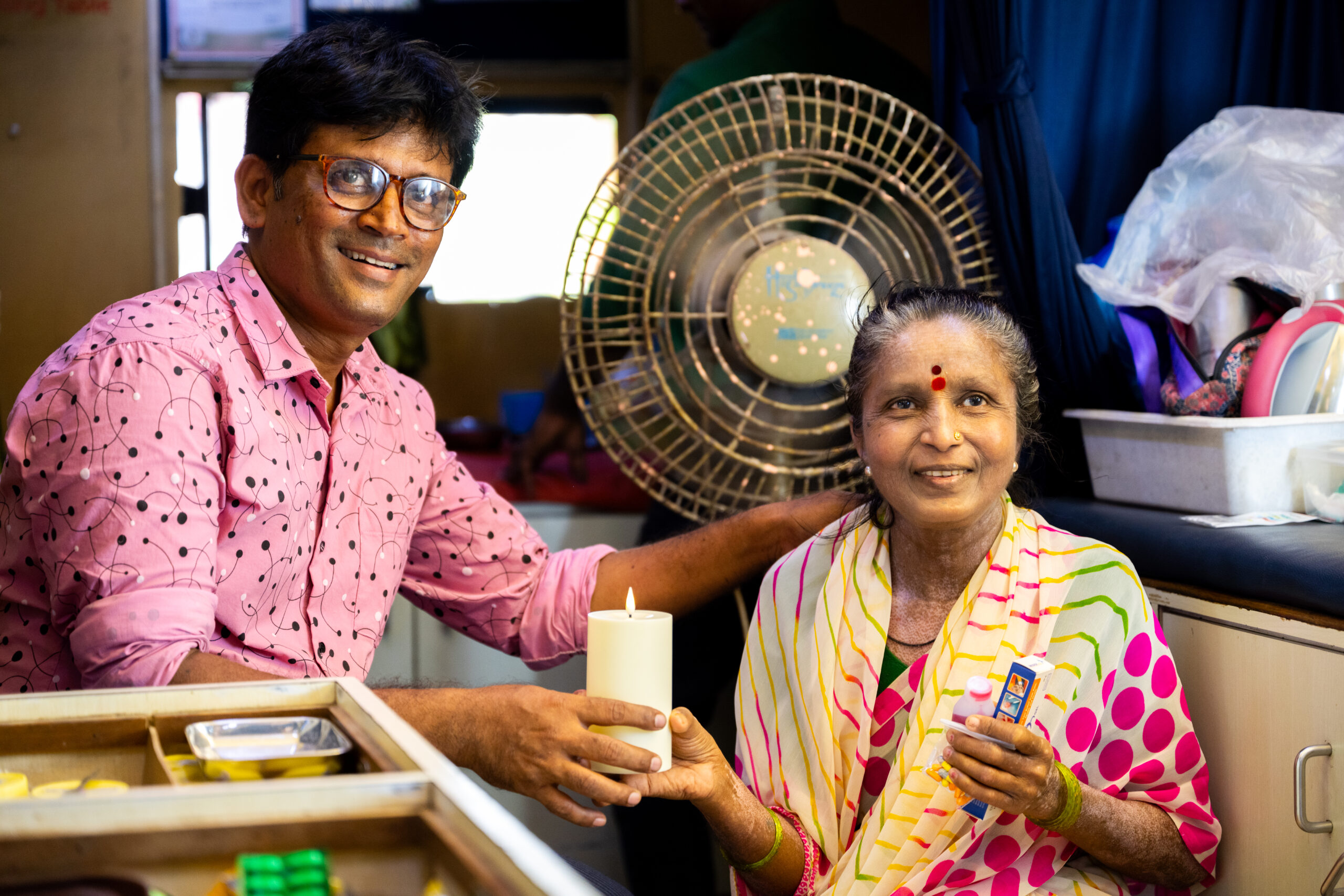
Equity, inclusion and improved quality of life for people affected by leprosy

Equity, inclusion and improved quality of life for people affected by leprosy

Supporting inclusion, challenging stigma, and strengthening community resilience.

Learn More
Research Projects Our research projects bring together global partners, clinicians, scientists, and communities to develop practical solutions that transform lives. From advancing medical innovation to strengthening health systems and championing inclusive approaches, we are committed to ensuring that research leads to real, lasting impact for those most affected
+
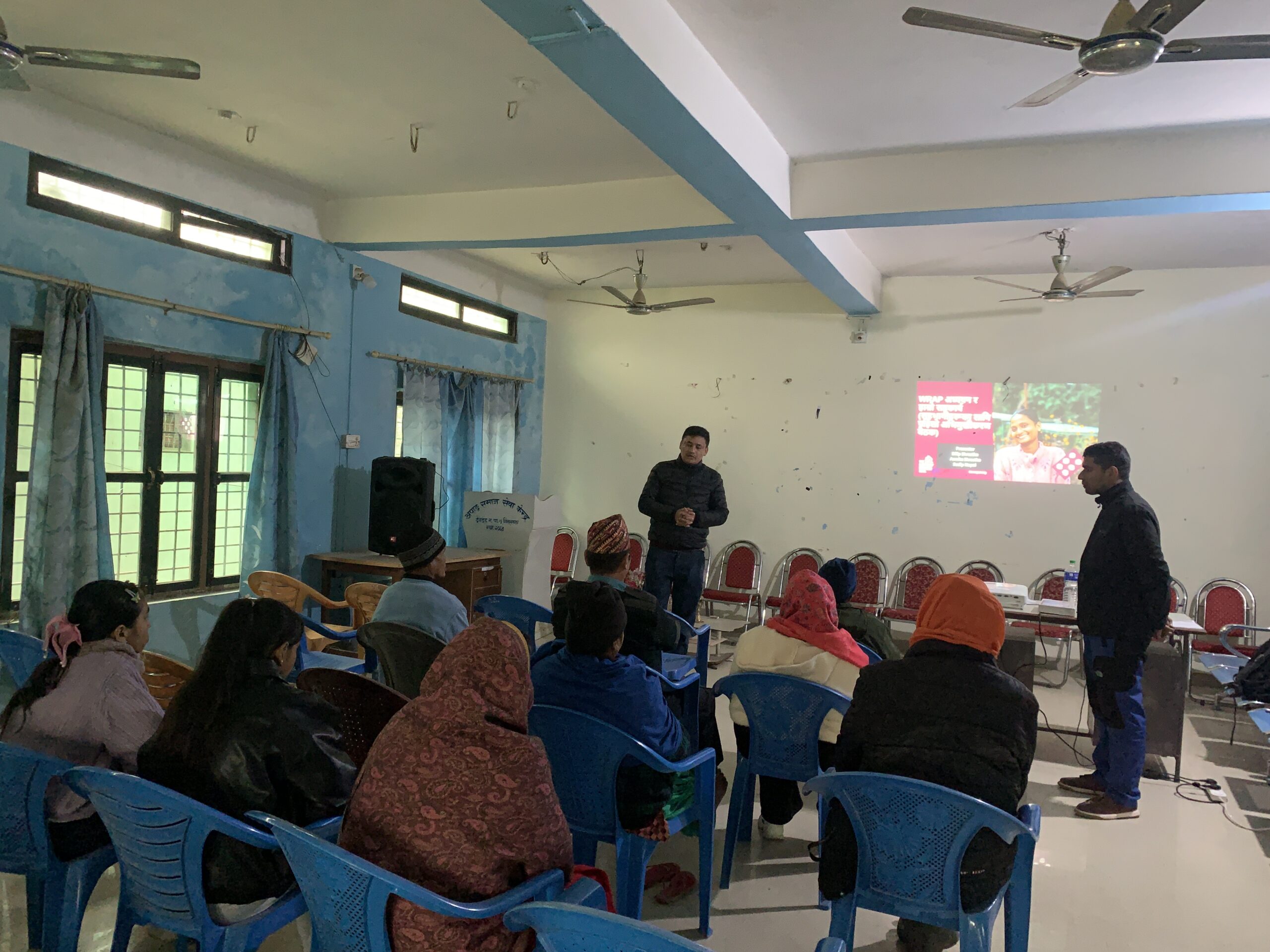
WRAP – Working towards mental health Recovery Among Persons affected by leprosy

WRAP – Working towards mental health Recovery Among Persons affected by leprosy

India and Nepal

Exploring the mental health impact of leprosy and strengthening support pathways for people affected.

Learn More
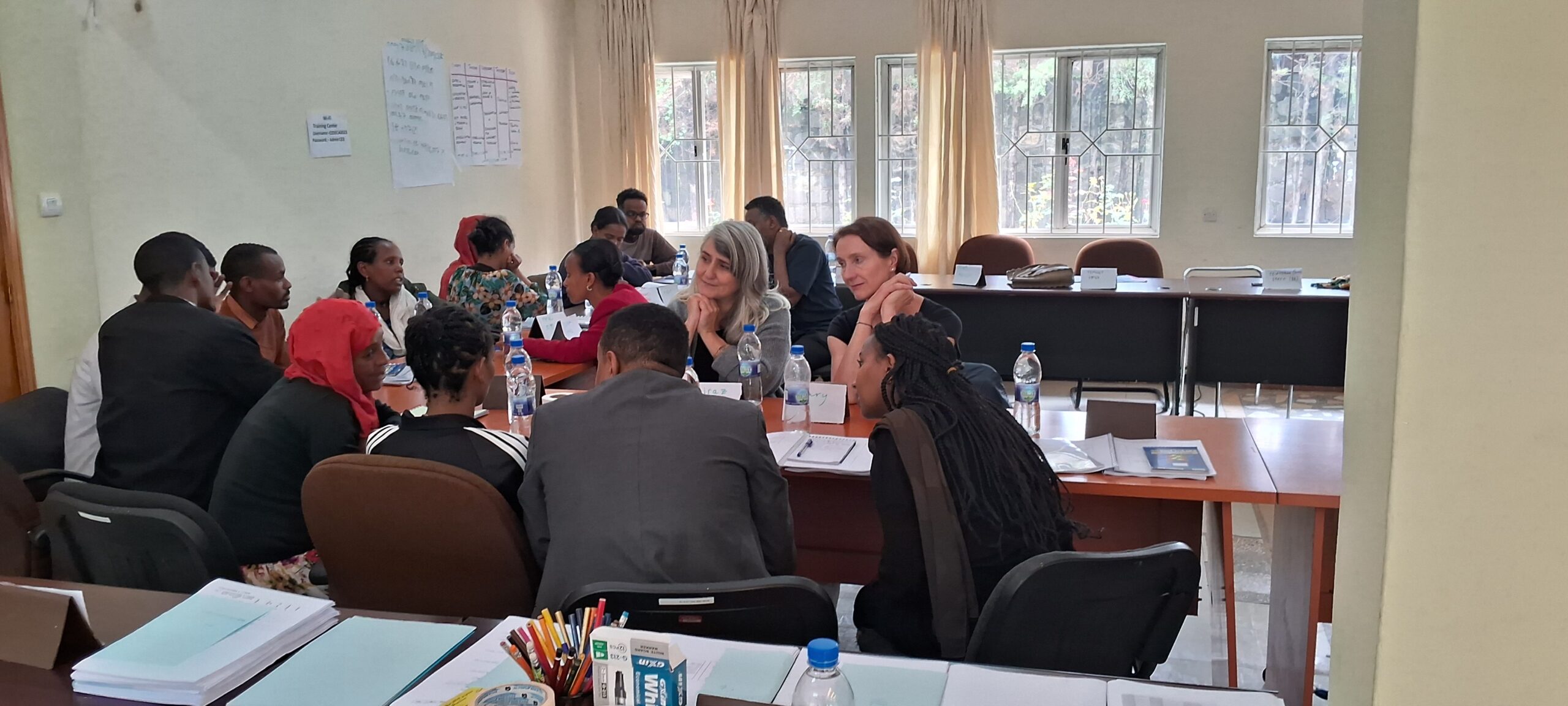
Trauma Social Research

Trauma Social Research

Ethiopia

Research into better treatment responses and improved outcomes through evidence-based clinical practice.

Learn More
 2B – to B-or-not-to-B

2B – to B-or-not-to-B

Bangladesh and Nepal

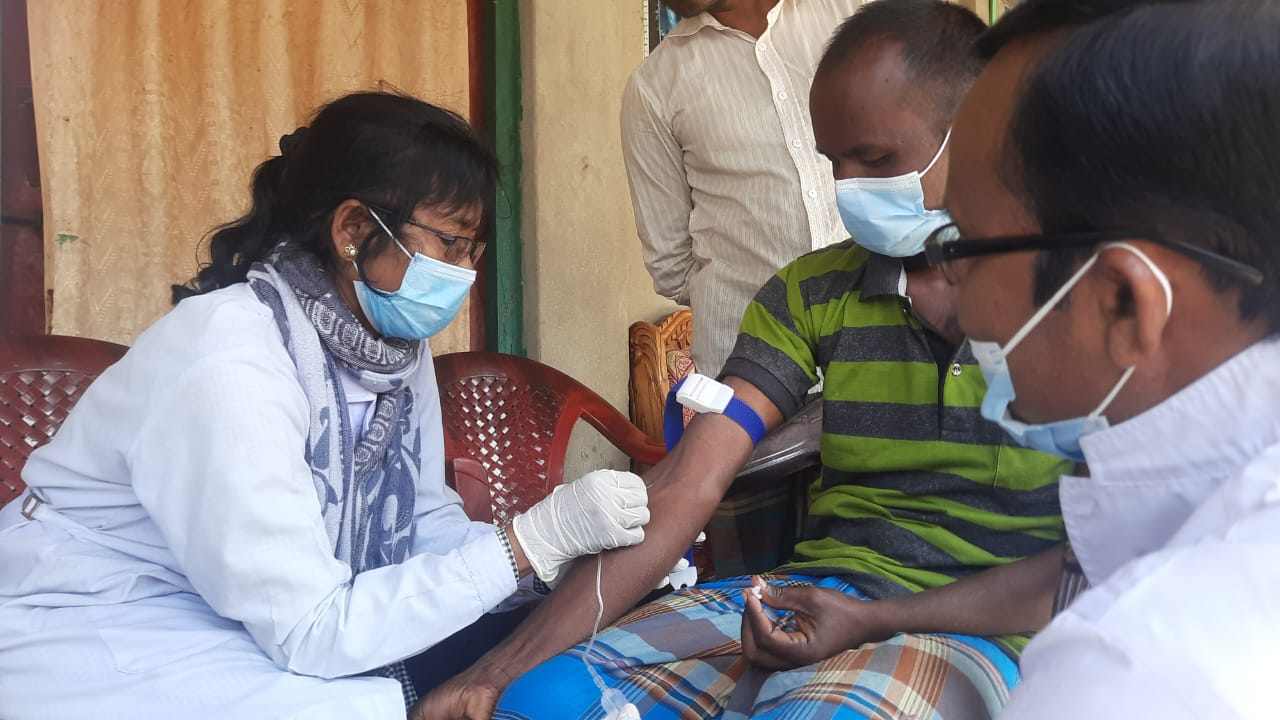
This study explores B-cell and antibody responses to improve understanding of leprosy across the disease spectrum. Its ultimate goal is to identify new biomarkers that could, in combination with existing biomarkers, be applied to a simple, field-friendly diagnostic test for early and accurate detection of various types of leprosy.

Learn More
AMR Prevalence, Patterns, and Risks in Leprosy Patients in Bangladesh

AMR Prevalence, Patterns, and Risks in Leprosy Patients in Bangladesh

Bangladesh

This study is a 36-month observational research project (May 2026–December 2028) led by The Leprosy Mission International Bangladesh (TLMI-B), in partnership with ICDDR(International Centre for Diarrhoeal Disease Research, Bangladesh) and in collaboration with regional medical colleges and the National Leprosy Programme

Learn More
Inclusive Research Project

Inclusive Research Project

India

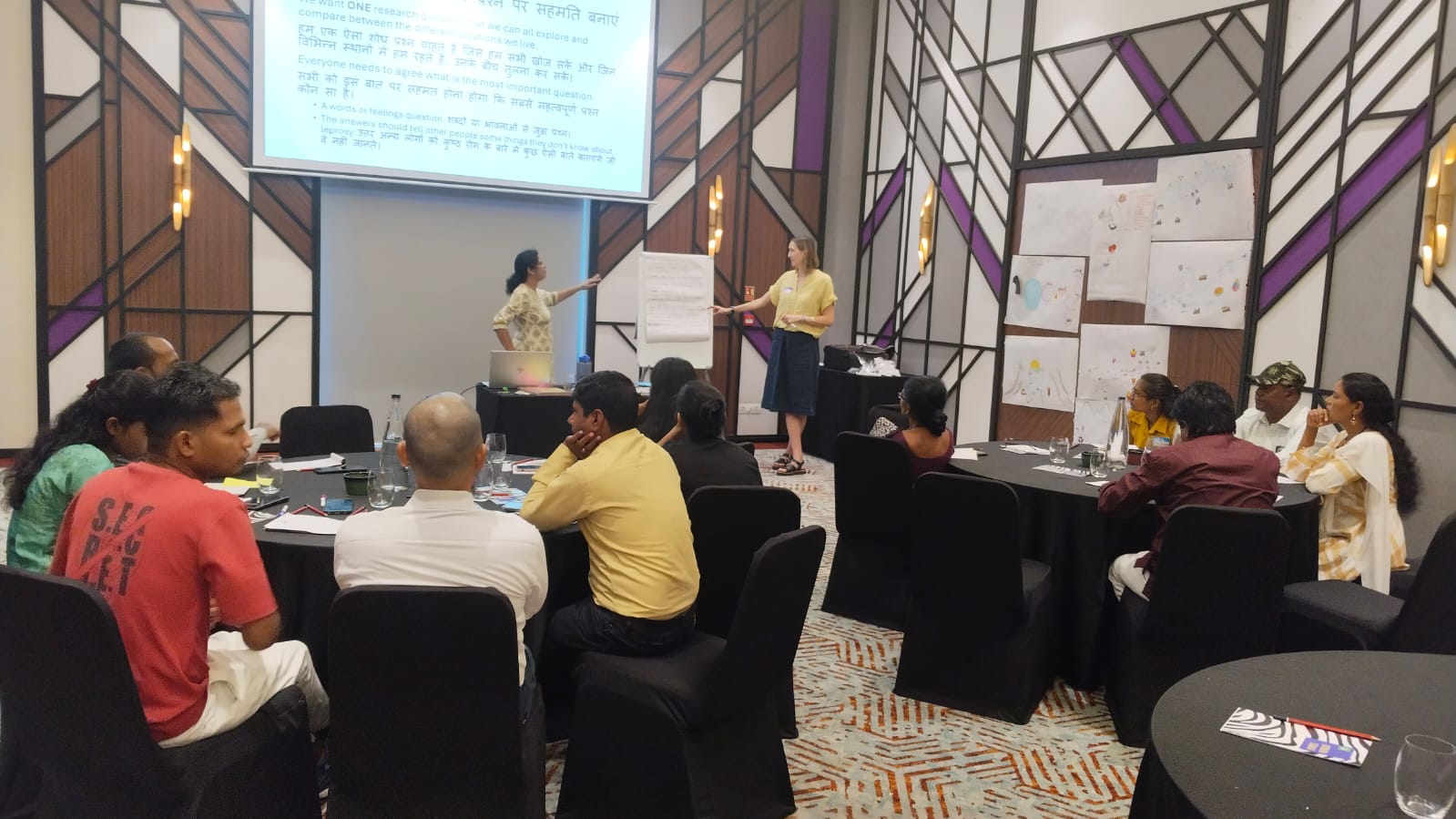
This 10-month initiative trained people affected by leprosy to become confident peer researchers through a practical, WhatsApp-based course. Participants designed and conducted their own research and presented findings in international forums, strengthening inclusion and equity in research systems

Learn More
Reducing Leprosy Stigma among Healthcare Workers

Reducing Leprosy Stigma among Healthcare Workers

Niger

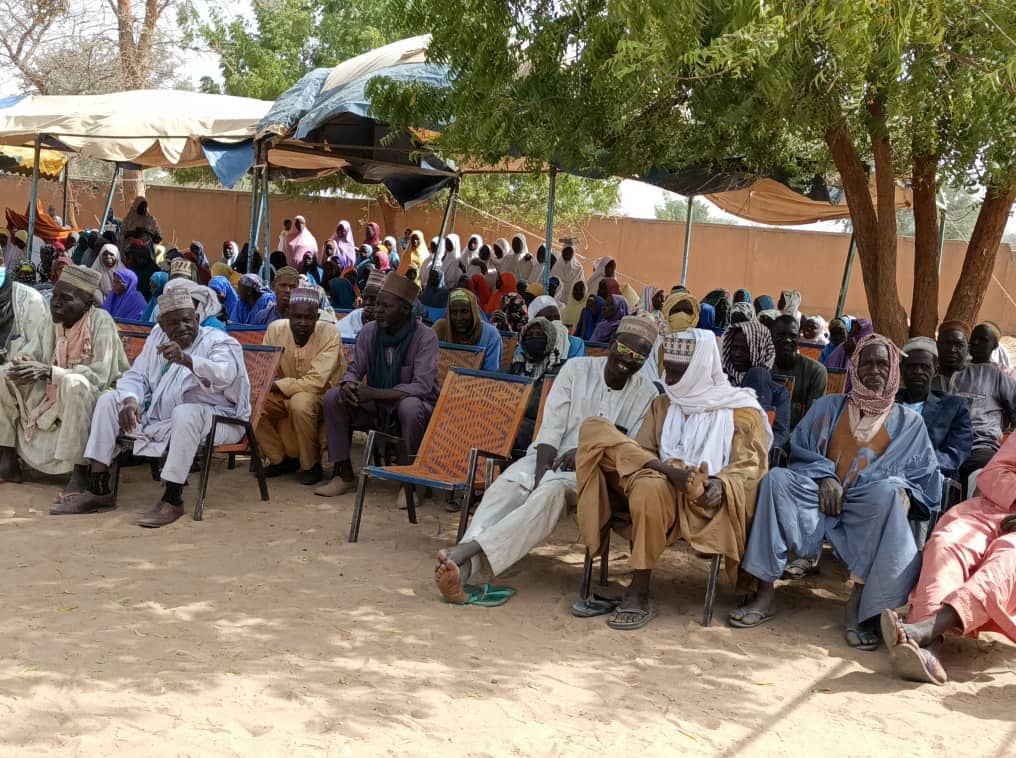
This 42-month study in Niger developed and tested a locally grounded stigma-reduction intervention for healthcare workers. By working collaboratively with people affected by leprosy, the project helped promote more respectful, informed and person-centred care in health services.

Learn More
Mechanism of Survival of Mycobacterium leprae in Natural Environments and its Transmission within Leprosy Endemic Area

Mechanism of Survival of Mycobacterium leprae in Natural Environments and its Transmission within Leprosy Endemic Area

India

A 36-month research project (starting January 2026) led by The Leprosy Mission Trust India (TLMTI) through the Stanley Browne Research Laboratory (New Delhi) and TLM Hospital, Purulia (West Bengal), in collaboration with the Schieffelin Institute of Health – Research and Leprosy Centre (Karigiri, Tamil Nadu) and the National Hansen’s Disease Program (USA)

Learn More
Mapping Leprosy Incidence using the Leprosy Elimination Monitoring Tool (LEMT) and Assessing the Influence of Sporadic Cases on Transmission Dynamics at the District Level

Mapping Leprosy Incidence using the Leprosy Elimination Monitoring Tool (LEMT) and Assessing the Influence of Sporadic Cases on Transmission Dynamics at the District Level

India and Bangladesh

A 21-month multi-country study (March 2026 onwards) led by The Leprosy Mission Trust India (TLMTI) in partnership with TLM International Bangladesh (TLMIB). Implemented in selected districts in India (Amravati and Sangli, Maharashtra) and Bangladesh (Rangamati, Khagrachari, Magura, Narail, Jhalakathi and Pirojpur).

Learn More
Research and Innovation for Global Health Transformation

Research and Innovation for Global Health Transformation

Nigeria,Nepal,India

Between 2019 and 2025 we worked across three countries - Nigeria, Nepal and India. Our overall aim was to improve self-care in the community for leprosy patients who are at risk of recurrent ulceration and further disfigurement and disability, and to better understand the needs of Buruli ulcer patients and the barriers to meeting those needs

Learn More
Publications Selected papers, articles, and findings
+
Partners Partnerships and collaborations
+