Mechanism of Survival of Mycobacterium leprae in Natural Environments and its Transmission within Leprosy Endemic Area
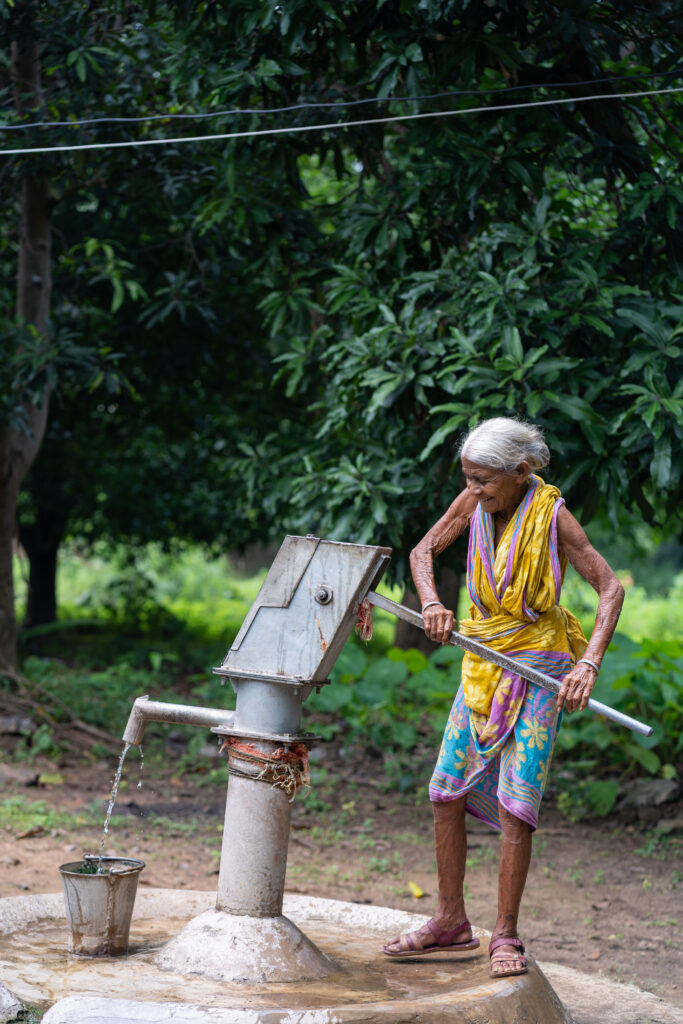
A client, fetching water from the hand-pump.
Mechanism of Survival of Mycobacterium lepraein Natural Environments and its Transmission within Leprosy Endemic Area” is a 36-month research project (starting January 2026) led by The Leprosy Mission Trust India (TLMTI) through the Stanley Browne Research Laboratory (New Delhi) and TLM Hospital, Purulia (West Bengal), in collaboration with the Schieffelin Institute of Health – Research and Leprosy Centre (Karigiri, Tamil Nadu) and the National Hansen’s Disease Program (USA).
Conducted in the leprosy-endemic district of Purulia, West Bengal, the project integrates environmental sampling, molecular diagnostics, GIS mapping, cell culture models, and murine footpad assays to address a critical knowledge gap: whether environmental reservoirs contribute to ongoing transmission. The findings aim to strengthen national leprosy control strategies, inform WASH (water, sanitation and hygiene) policies, and support more comprehensive, evidence-based approaches to interrupting transmission and protecting communities.