The Leprosy Mission

Welcome to The Leprosy Mission. We are a Christian organization working for over 150 years to end leprosy, restore dignity, and support communities affected by the disease. Our 2025-2030 Strategy has been developed prayerfully, through periods of seeking God’s wisdom and direction. The process has included consultation with members of the TLM Global Fellowship, other partners and persons affected by leprosy. It builds on learning from our previous strategy, WHO guidelines and research evidence. This strategy will guide how we will streamline our programmes and prioritise our funding for the next 6 years.

Pillar 1

Data driven decision making

Pillar 2

New tools to achieve our vision

Pillar 3

Increased leprosy expertise

Pillar 4

Transform communities

What We Do

At The Leprosy Mission, we are dedicated to creating a world where leprosy is no longer a barrier to health, dignity, or opportunity. Through collaboration with governments, partners, and grassroots organisations, we work to influence policies, systems, and attitudes. We engage directly with policymakers, responding to inquiries, providing evidence, and inviting our partners to engage with UK decision-makers to push for lasting change.

By building capacity, fostering inclusion, and championing change, we strive for a future where everyone can access healthcare, equality replaces discrimination, and individuals have the opportunity to reach their full potential.

Explore our work across key themes, from disability inclusion and climate change to innovation and research and join us in driving change.

Gender and diversity

Gender and diversity

Historically, more men are diagnosed with leprosy than women. Research tells us that there are no biological reasons for this, so it is likely that the problem is caused by socio-economic factors. There are still laws that discriminate against people affected by leprosy and generally, women are disproportionally affected by these laws and the stigma and discrimination associated with the disease. For example, there are laws in some countries which state that leprosy is grounds for divorce.

Wellbeing

Wellbeing

ensuring that planned interventions are holistic in approach and consider the wellbeing of staff and clients. Wellbeing will be considered both in terms of specific interventions, and the approach used to conduct activities. Mental health interventions will be risk assessed and activities implemented by trained personnel who have supportive supervision and referral procedures in place. We will be developing new tools to assess and support holistic wellbeing.

Climate change

Climate change

ensuring that the impacts of climate change, conflict and disasters are risk assessed, and measures are taken to strengthen the resilience of our partners, leprosy-affected communities and health systems. Although our programmes are focused on long-term development, we recognise that there is sometimes a need for humanitarian assistance in the communities where we work. Such support will be decided on a case-by-case basis, but only for communities with whom we have an existing relationship. Strategies to enhance peacebuilding and conflict resolution are encouraged.

Capacity development

Capacity development

facilitating the organisational capacity development of partners, including assessing and supporting their ability to implement the project in question. A capacity development plan should be included as part project plans to ensure that partners and downstream partners have the skills and resources needed to achieve the desired outcomes. This includes further developing leprosy expertise, linked to the Leprosy Capabilities Map. Adequate resources for capacity development and lesson sharing should be built into project and office budgets.

Integrated approach

Integrated approach

ensuring that, unless it is appropriate, leprosy does not stand alone as a vertical programme, rather that it is integrated with other elements such as other NTDs, dermatology, disability inclusion, climate change adaptation, livelihoods, WASH, to maximise reach, sustainability and fundability.

WASH

WASH

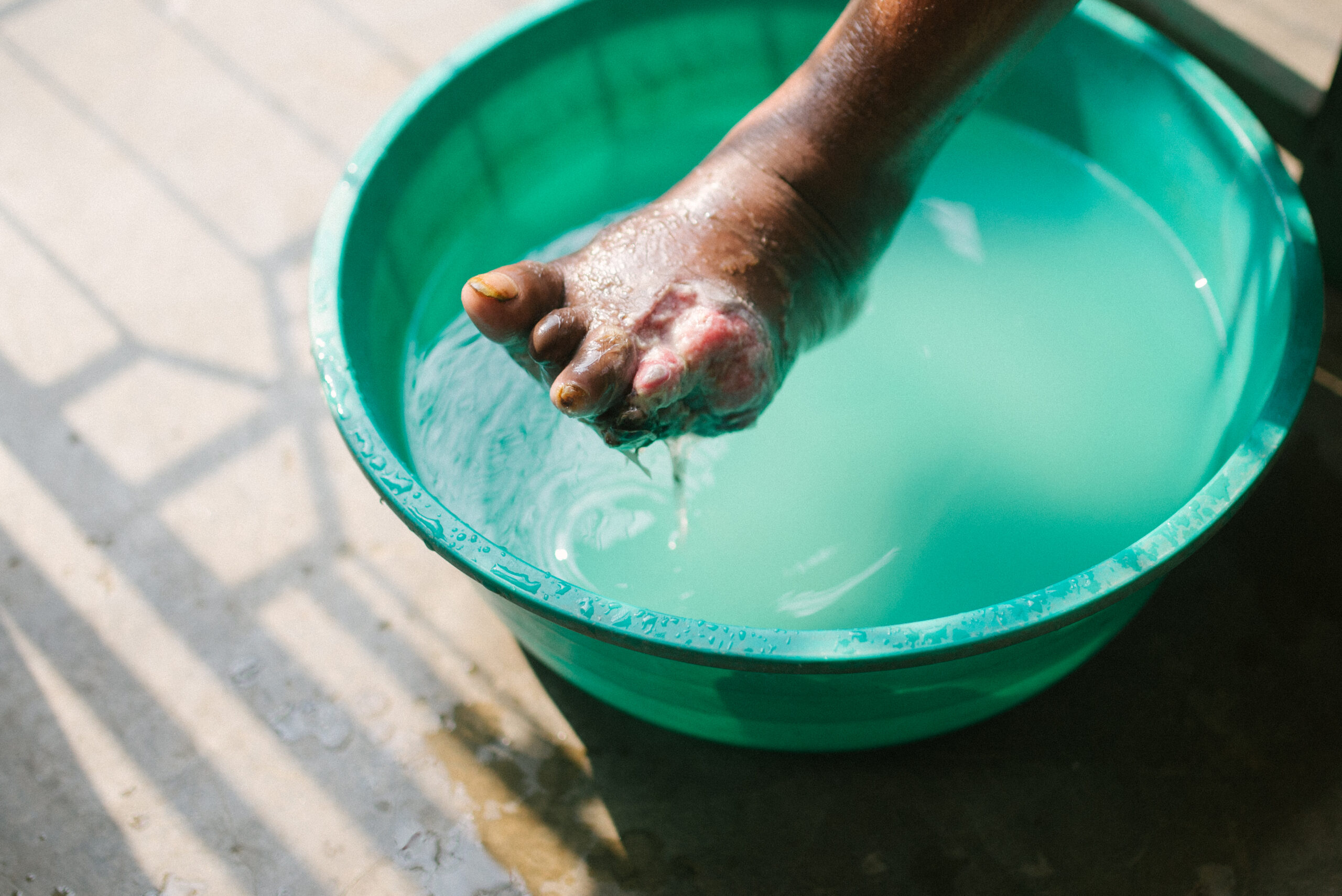
Research indicate that poor water, sanitation, and hygiene (WASH) conditions play a pivotal role in facilitating the infection and transmission of leprosy. Let us picture this: people affected by leprosy not only have the burden of the disease but are also entangled in barriers with limited or non-existent access to WASH. The challenges do not end here.

Disability inclusion

Disability inclusion

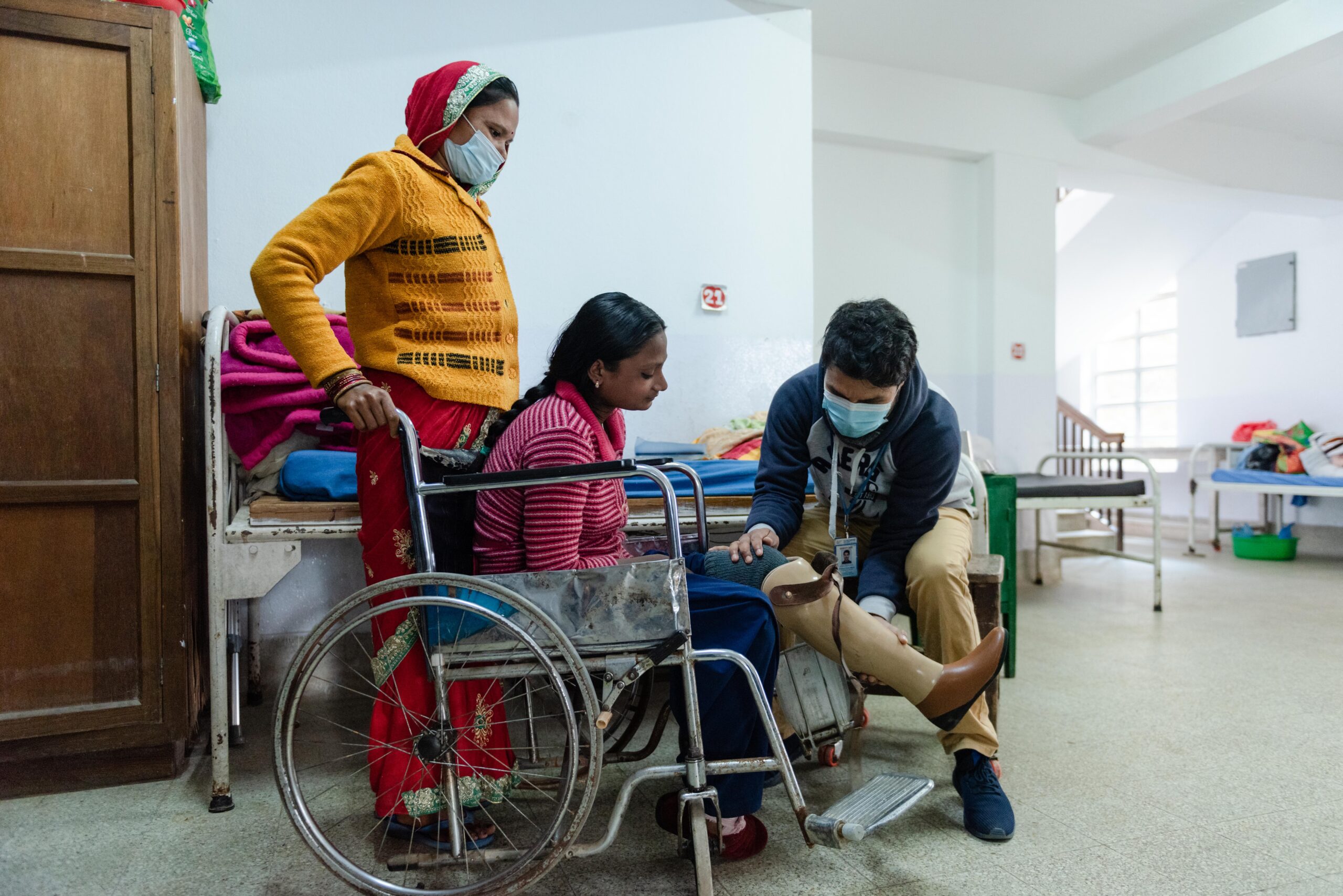
Globally, one in seven people have disabilities. Millions of these people face permanent disabilities because of leprosy. ensuring disabled people have had input into project design, that activities and data are examined through a disability lens, and reasonable accommodation is made to ensure the needs of people with different impairments are considered across the project cycle, including within feedback mechanisms.

Safeguarding

Safeguarding

ensuring all partners and their downstream partners have effective policies and procedures in place for safeguarding, that staff have been trained, communities are aware of safeguarding, there are client feedback mechanisms in place, that reporting systems are working, and investigations are handled appropriately. Throughout the aid and care sector the term ‘power imbalances’ is regularly used, but what exactly does this mean?

Innovation and technology

Innovation and technology

ensuring that aspects of the problem have been explored by looking at innovative solutions and technologies. This could be existing solutions adapted to a new context, or new approaches that are yet to be tried. Plans should be in place to study the effectiveness of such interventions, as well as to document and share learning. Data collection should be digitalised and used to inform decision making. This will include partners using a new e-PCM system.