AMR Prevalence, Patterns and Risks in Leprosy Patients in Bangladesh
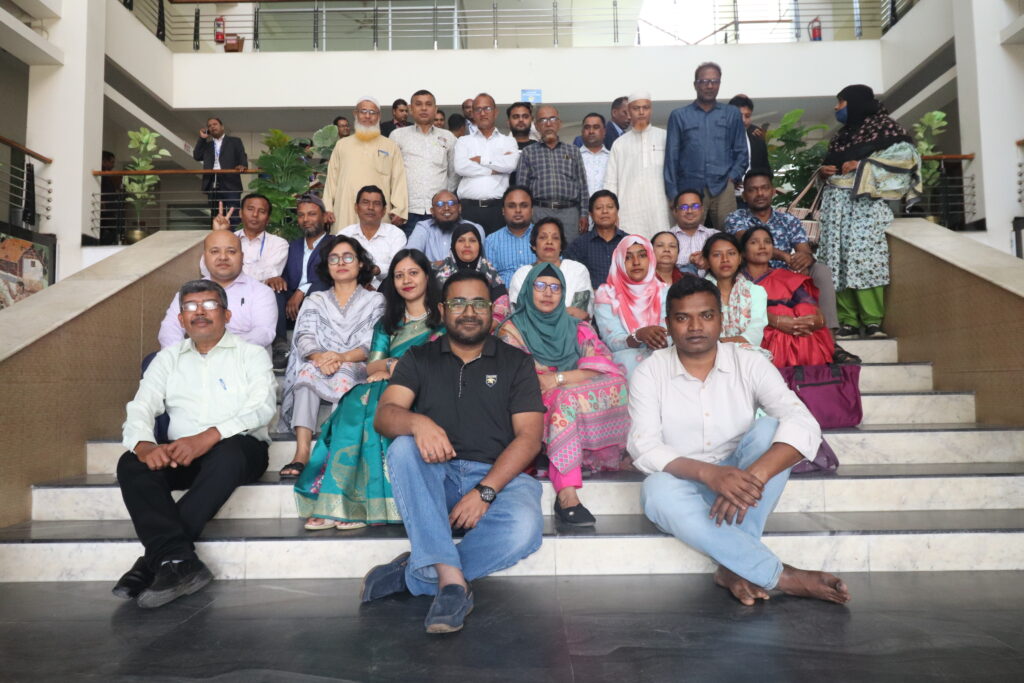
This study is a 36-month observational research project (May 2026–December 2028) led by The Leprosy Mission International Bangladesh (TLMI-B), in partnership with ICDDR (International Centre for Diarrhoeal Disease Research, Bangladesh) and in collaboration with regional medical colleges and the National Leprosy Programme .
The project combines molecular laboratory testing with clinical and epidemiological analysis to understand how drug resistance affects treatment outcomes and regional transmission dynamics. By generating the first comprehensive AMR surveillance data in Bangladesh, the study aims to safeguard the long-term effectiveness of multidrug therapy (MDT), inform national treatment guidelines, and strengthen efforts toward zero transmission of leprosy.
Implemented across two endemic regions — the northwest (Nilphamari, Rangpur, Thakurgaon, Panchagarh) and the southeast (Chattogram, Bandarban, Rangamati, Khagrachhari) — the study investigates the prevalence and patterns of antimicrobial resistance (AMR) to dapsone, rifampicin and ofloxacin in Mycobacterium leprae among 250 participants .