Trauma social research Ethiopia
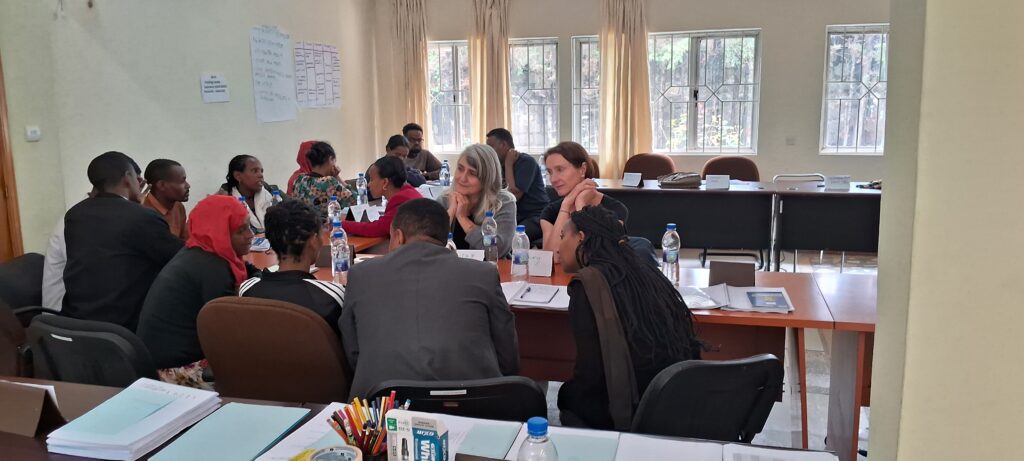
In Ethiopia, this project tested a peer-delivered trauma support programme for people affected by leprosy experiencing psychological distress. By training paraprofessionals — including people with lived experience — it expanded access to trauma-informed mental health care in community settings.
The study “Addressing Leprosy Trauma through the Traumatic Stress Relief (TSR) Programme” was implemented in Ethiopia, led by The Leprosy Mission International, Ethiopia, in partnership with ALERT Hospital (All Africa Leprosy Rehabilitation and Training Centre), and community organisations including ENAPAL (Ethiopian National Association of Persons Affected by Leprosy) and ALVRA. The research assessed whether a peer-delivered TSR intervention (informed by EMDR techniques) was feasible and acceptable for people affected by leprosy who have lived experience of trauma, depression and/or anxiety. TSR is a structured, trauma-informed psychological intervention approach designed to help people reduce distress, strengthen coping skills, and prevent symptoms from worsening, and it is delivered through a practical training package for frontline paraprofessionals rather than specialist therapists. It combines psychoeducation and stabilisation exercises with simplified evidence-based group techniques, making trauma support more accessible in low-resource settings.
Importantly, the project trained peer supporters — including people with lived experience of leprosy — to help deliver the intervention within their own communities, strengthening trust, dignity, and real-world accessibility. The project placed strong emphasis on meaningful involvement of people affected by leprosy through ENAPAL, including co-developing participant materials and supporting community engagement and dissemination. Ultimately, this work aimed at generating practical learning for scale-up—supporting trauma-informed mental health care that can be delivered in community settings, closer to where people live, and in a way that feels safe, dignified, and accessible.
Publication: https://pubmed.ncbi.nlm.nih.gov/40114854/