Mental Health-A focus on Inner Wellbeing
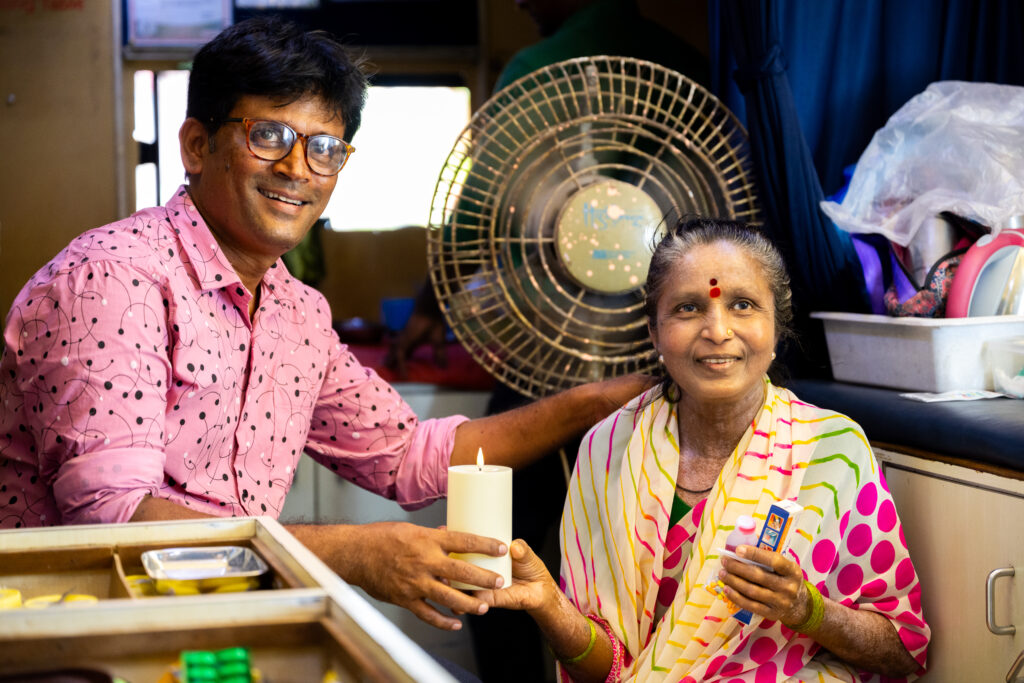
At The Leprosy Mission (TLM), we understand that leprosy affects far more than physical health. While medical treatment is essential, the emotional, social and spiritual impact of the disease can be equally significant. Research highlights the scale of this challenge. A cross-sectional study of 220 people affected by leprosy in India found that 30% reported experiencing mental health difficulties. Another study comparing people affected by leprosy with those experiencing other acute skin conditions showed that 44.4% of individuals with leprosy identified mental health concerns, compared to 7.5% in the control group. These figures are concerning — and the true prevalence is likely even higher due to underreporting and stigma.
The Impact of Stigma
Stigma remains one of the greatest challenges faced by people affected by leprosy. Misunderstandings about the disease can lead to discrimination, isolation, and exclusion from family and community life. This exclusion often affects every area of life — limiting access to education, employment, and sustainable livelihoods. Over time, social rejection can lead to poverty, reduced self-confidence, and internalised shame. A diagnosis of leprosy can therefore impact not only a person’s physical health, but also how they see themselves and how they are treated by others.
Why We Speak About “Inner Wellbeing”
At TLM, we use the term Inner Wellbeing rather than simply “mental health.” While wellbeing is often defined as “the state of being comfortable, healthy, or happy,” we recognise it as something much deeper and more holistic.
Inner wellbeing includes:
- Emotional health
- Social connectedness
- Spiritual wellbeing
- Mental and psychological resilience
For people affected by leprosy, social wellbeing may be damaged by isolation and rejection. Spiritual wellbeing may be affected if stigma prevents individuals from attending places of worship or participating in faith communities — something particularly significant for a faith-based organisation like TLM. Emotional wellbeing may also suffer due to fear, trauma, or internalised stigma linked to cultural beliefs about the disease.By taking this broader view, we are better able to understand the full impact of leprosy and respond in ways that recognise the whole person — not just their diagnosis.
Strengthening Our Global Approach
Recognising the importance of inner wellbeing has led to intentional action across TLM. We have established a global core group of professionals from the countries where we work. Meeting quarterly, this group identifies priorities, shares learning, and helps shape our strategic approach to inner wellbeing. Several members are currently undertaking a mental health diploma, strengthening our internal expertise and ensuring our response is informed and evidence-based.In addition, we host wider learning forums open to staff across the Mission. These gatherings create space to share experience, deepen understanding of cultural contexts, and build collective confidence in supporting inner wellbeing.
Building Skills and Competency
Supporting inner wellbeing requires specific skills. TLM has therefore developed an internal competency framework, outlining the levels of knowledge and confidence required across different roles.We are working alongside a consultant psychiatrist with extensive experience in community mental health to develop practical guidance and culturally contextualised training materials. Our goal is to ensure that each country programme has access to appropriate, sustainable, and locally relevant support tools.
Partnering with Communities
We recognise that the most effective support is developed in partnership with communities themselves. Rather than assuming what is helpful, we are developing pilot projects that will work directly with people affected by leprosy to explore how the disease impacts their inner wellbeing and identify models of support that are meaningful within their cultural context.This collaborative approach ensures that solutions are shaped by lived experience and grounded in dignity.
A Holistic Vision of Care
This is an important and encouraging season for TLM. We are intentionally moving beyond a solely medical model of care towards a holistic understanding of wellbeing — one that honours emotional, social, and spiritual health alongside physical healing.By strengthening our skills, deepening our understanding, and working in partnership with communities, we are committed to supporting people affected by leprosy in body, mind, and spirit.
Because true healing is always holistic.
|