About Us


Can you put the below as Headings here that can  roll down as options?

Where we work      Our Laboratories     Cross cutting Themes

The Leprosy Mission Great Britain is a global Christian organisation leading the fight against leprosy.

Following Jesus Christ, The Leprosy Mission works with persons affected by leprosy, partners and supporters towards a world where leprosy is defeated and there is healing, dignity, inclusion and life in all its fullness. The Leprosy Mission’s Global Fellowship works in 27 countries. Our focus is on nine countries in Africa and Asia – Bangladesh, Ethiopia, India, Mozambique, Myanmar (Burma), Nepal, Niger, Nigeria, and Sri Lanka. These places have high rates of leprosy or lack the services or opportunities needed by people affected.

At The Leprosy Mission, we are dedicated to creating a world where leprosy is no longer a barrier to health, dignity, or opportunity. Through collaboration with governments, partners, and grassroots organisations, we work to influence policies, systems, and attitudes. We engage directly with policymakers, responding to inquiries, providing evidence, and inviting our partners to engage with UK decision-makers to push for lasting change. 

ZERO TRANSMISSION 

The transmission of leprosy remains poorly understood. If we are to end the transmission of the disease, we must understand the mechanism of transmission better than we currently do. Moreover, leprosy remains difficult to diagnose before symptoms appear. Undetectable cases, of which there may be millions, make it hard to stop transmission. An early diagnosis of leprosy can reduce transmission and the risks that lead to permanent physical problems, such as reactions, nerve damage, and disability. 

 ZERO DISABILITY
Among communicable diseases, leprosy remains one of the leading causes of disability and neuropathy. A nerve problem that causes pain, numbness, tingling, swelling, or muscle weakness in different parts of the body). Hospital stays for complicated ulcers can last months. TLMGB invests in research to understand better, manage or prevent both physical and psycho-social disability caused by leprosy.

ZERO DISCRIMINATION 

Leprosy is one of the most stigmatising diseases in the world. A leprosy diagnosis can lead to divorce, losing a job or business, or homelessness. As part of our work to end the stigma associated with leprosy, we invest in research to understand the drivers of stigma better across different cultures and contexts, and to develop interventions to overcome stigma. As well as investing in leprosy-specific research, we explore the effectiveness of working across other NTDs, mainstreaming leprosy within disability-focused approaches, and exploring the interactions between leprosy and other morbidities.  

Where we work


Our research Laboratories

Stanley Browne laboratory, India

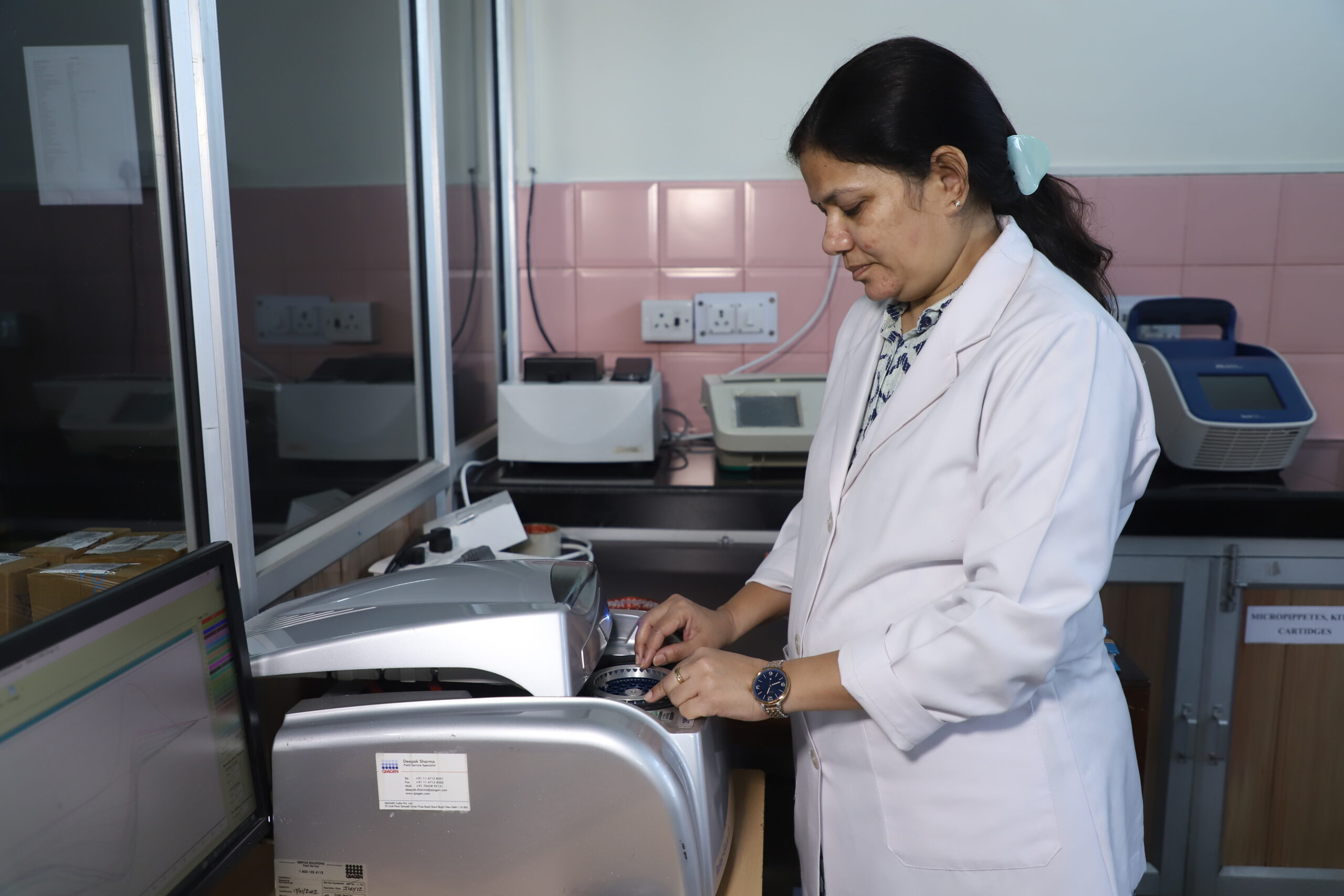
The Stanley Browne Laboratory in India is a centre of excellence dedicated to advancing scientific research to improve the diagnosis, treatment, and prevention of leprosy.The laboratory conducts cutting-edge research in microbiology, immunology, molecular biology, and drug resistance, helping to strengthen evidence-based approaches to leprosy control. Its work plays a vital role in supporting global efforts to interrupt transmission, enhance patient care, and ultimately move closer to a world free from leprosy.

Stanley Browne Research Laboratory – The Leprosy Mission Trust India

Mycobacterial Research laboratory , Nepal

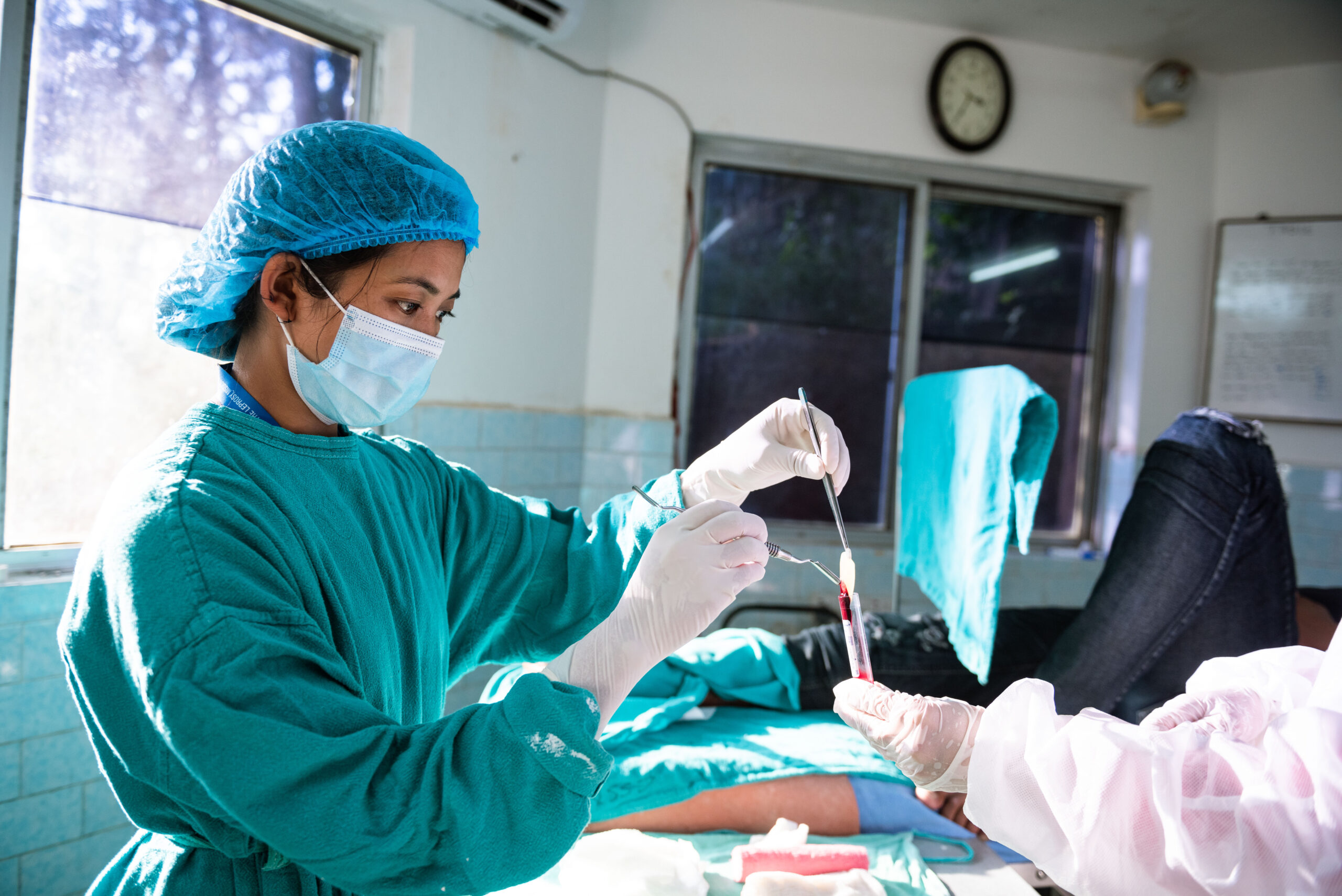
Anandaban Hospital in Nepal, together with its Mycobacterial Laboratory, is a leading centre for the diagnosis, treatment, research, and training related to leprosy and other mycobacterial diseases. The hospital provides comprehensive clinical care, including specialist treatment, reconstructive surgery, disability prevention, and rehabilitation services, while the laboratory strengthens this work through advanced diagnostic testing, drug resistance monitoring, and research into Mycobacterium leprae. Together, they play a critical role in supporting Nepal’s national leprosy programme and contributing to global efforts to improve early detection, effective treatment, and ultimately the interruption of transmission

Research – The Leprosy Mission Nepal

Wellesey Bailey Laboratory, Bangladesh

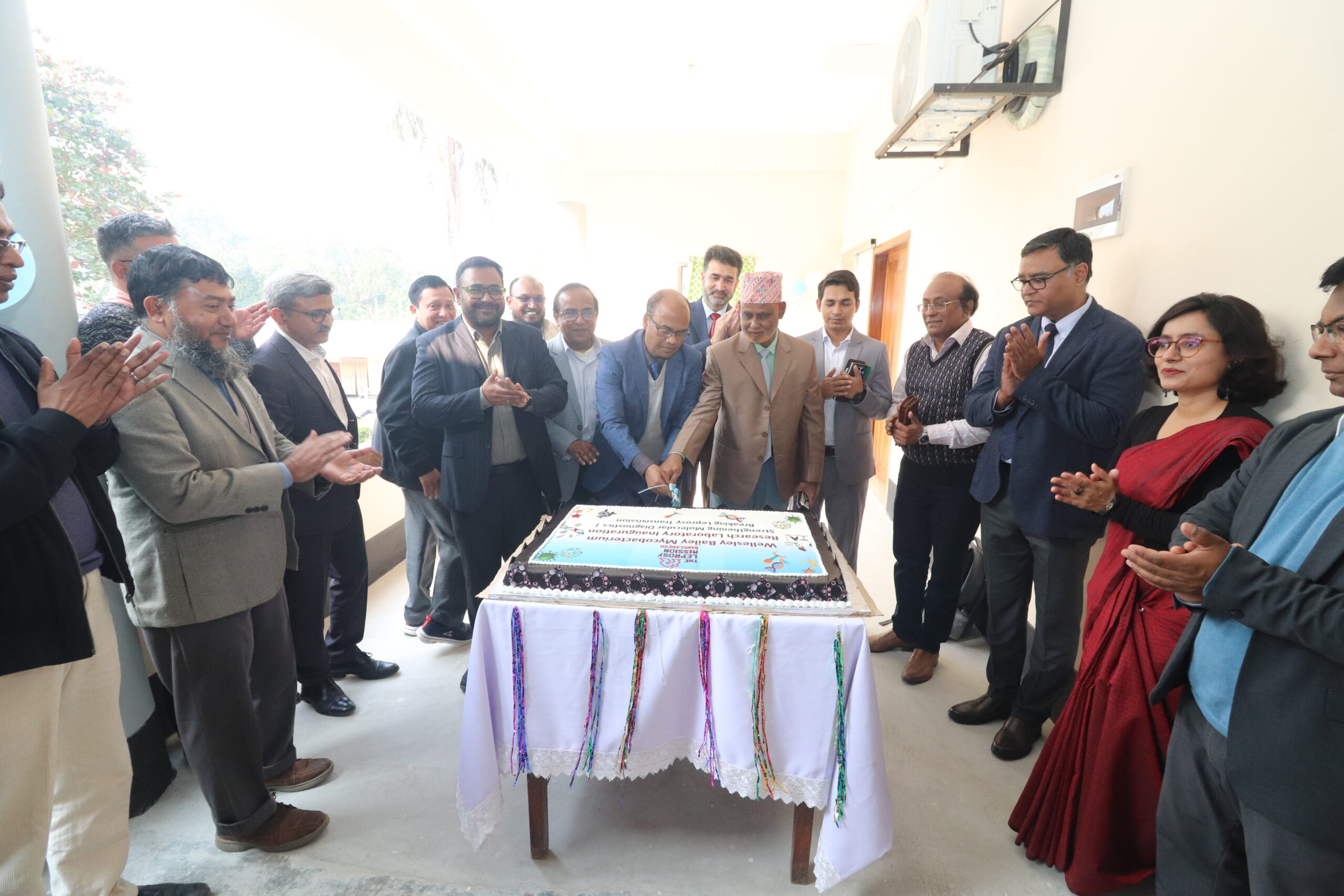
The newly inaugurated Wellesley Bailey Mycobacterium Research Laboratory stands as Bangladesh’s first dedicated PCR and qPCR facility for leprosy research, equipped with advanced molecular diagnostic platforms, biosafety systems, and modern workflow‑optimized infrastructure. Designed to strengthen national capacity in detecting Mycobacterium leprae, the lab supports molecular surveillance, AMR research, and translational studies while providing a controlled, contamination‑free environment for high‑precision assays. This state‑of‑the‑art laboratory marks a significant milestone in enhancing research excellence and accelerating leprosy elimination efforts in Bangladesh. Funded through the TLM Global Fellowship, the establishment of this laboratory represents a long‑awaited dream for The Leprosy Mission, opening new doors for pioneering research in Bangladesh and ultimately contributing to global leprosy research advancements.

Proskin Dermatology Initiative, Nigeria

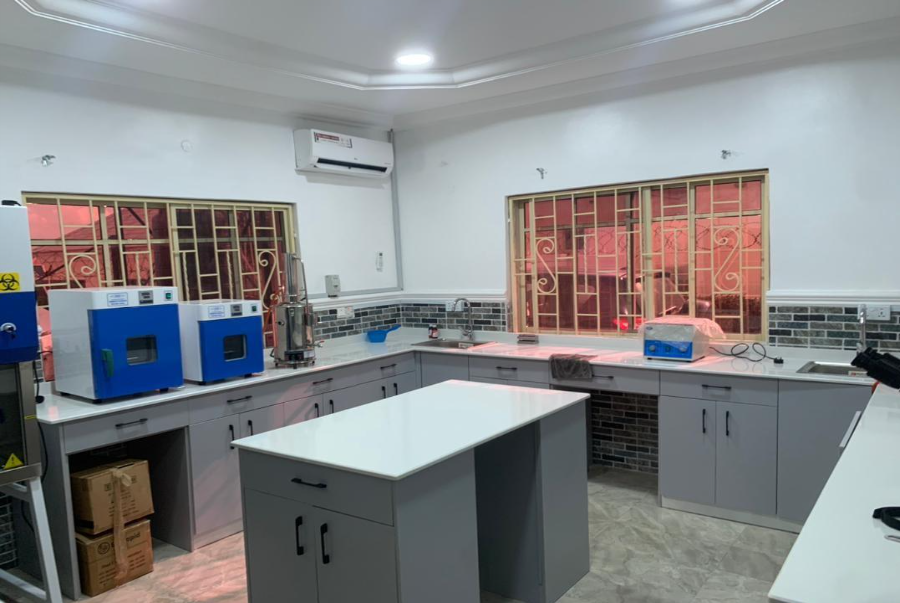
TLM Nigeria has established a dermatology laboratory, as part of the ProSkin Dermatology Initiative, in Abuja. The lab is now operational and receiving clients, with diagnostic services contributing to improved clinical decision-making and referral pathways. It is registered with the Medical Laboratory Science Council of Nigeria and has recently received final certification from the Private Health Establishment Registration and Monitoring Committee, which will enable full-scale service delivery in line with national regulatory standards. A Consultant Dermatologist and a Laboratory Scientist have been recruited to conduct microbiology, histopathology, and other dermatological investigations for patients with leprosy and other skin conditions.

Explore our research work across key cross cutting themes, from disability inclusion and climate change to innovation and research and join us in driving change

Gender and Diversity

Historically more men are diagnosed with leprosy than women. Research suggests this is driven by socio-economic factors rather than biology.Women are often disproportionately affected by stigma, discrimination and discriminatory legislation.

Wellbeing

Ensuring programmes consider holistic wellbeing of both staff and clients. Mental health interventions are delivered by trained personnel with appropriate supervision and referral procedures.

Climate Change

Programmes assess climate, conflict and disaster risks and strengthen resilience of communities, partners and health systems.

Capacity Development

Supporting partners to strengthen organisational capacity and develop the skills and resources required to implement programmes effectively.

Integrated Approach

Ensuring leprosy programmes integrate with areas such as NTDs, dermatology, disability inclusion, climate adaptation, livelihoods and WASH.

WASH

Poor water, sanitation and hygiene conditions contribute to infection and transmission of leprosy and remain a key intervention area. They deepen as complications to leprosy arise-in eyes, hands and feet. That can lead to chronic ulcers. 

Disability Inclusion

Ensuring people living with disabilities are included in project design, implementation and monitoring across programmes.

Safeguarding

Partners must have safeguarding systems, trained staff, reporting processes and community awareness to protect vulnerable people.

Innovation and Technology

Encouraging innovative solutions and the use of technology, including digital data collection and partner adoption of the e-PCM system.

Research and Evidence-Based Action

Programmes are built on research evidence and good practice, with embedded research where innovative approaches are used.

Sustainability

Interventions are designed for long-term sustainability through local ownership, capacity strengthening and resilient systems.

Advocacy and Policy Change

Working with partners to advocate for repeal of discriminatory laws, policy reform and recognition of rights for persons affected by leprosy.